



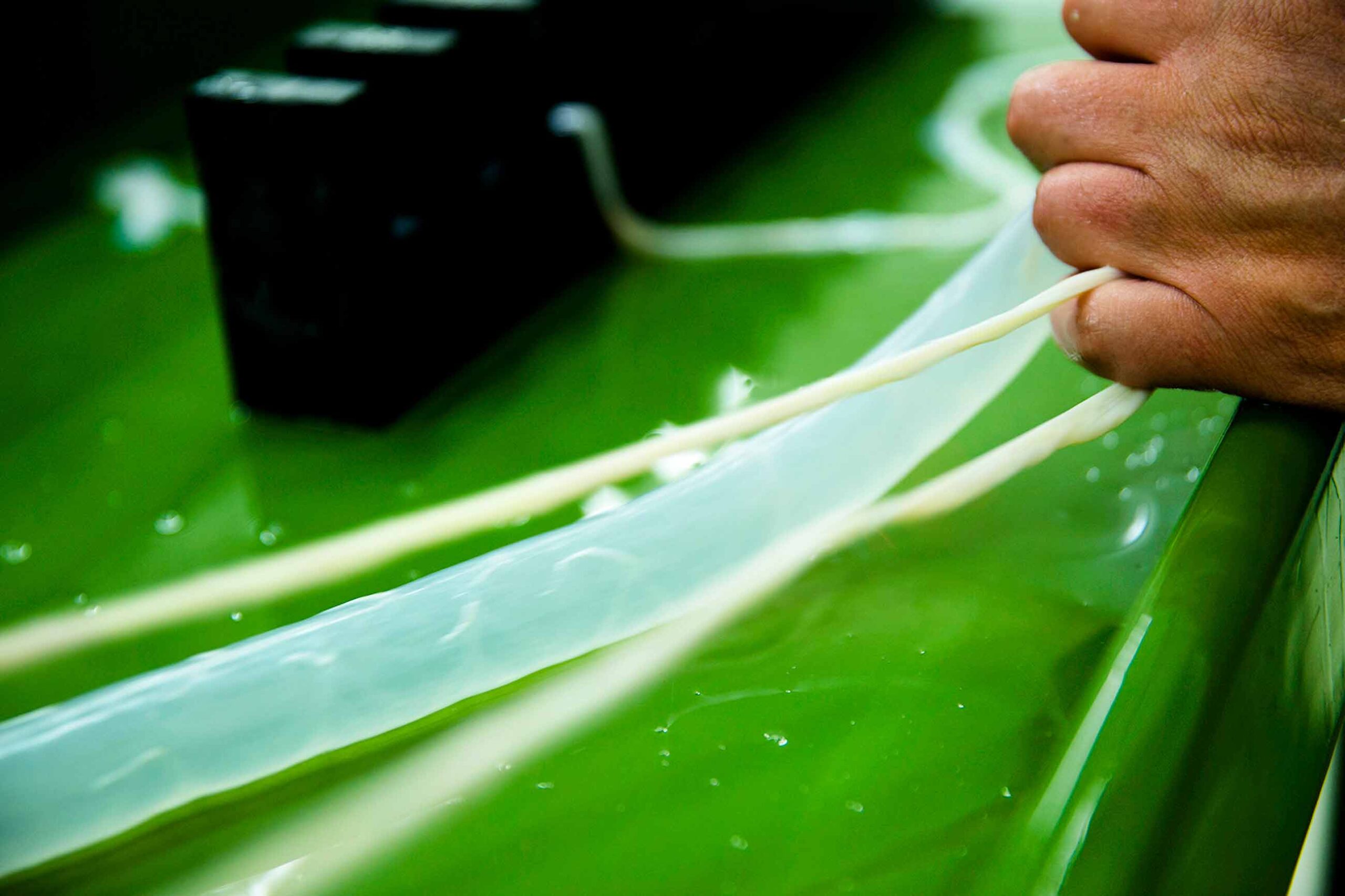
The Craft of Eco Casings
We were surprised when we went through the list of professions practiced by the inhabitants of Daknam. We discovered a shepherd among them, but also a gut merchant and a sea captain. It goes without saying that our curiosity was aroused and that we did not want to let this bone rest is no wonder either. So we went there and were told a long series of stories that we had never suspected in Daknam.
The fact that there was a “gut merchant” living in that municipality already raised many questions for us. We had really not heard of that profession and at first glance we could not imagine what it meant.
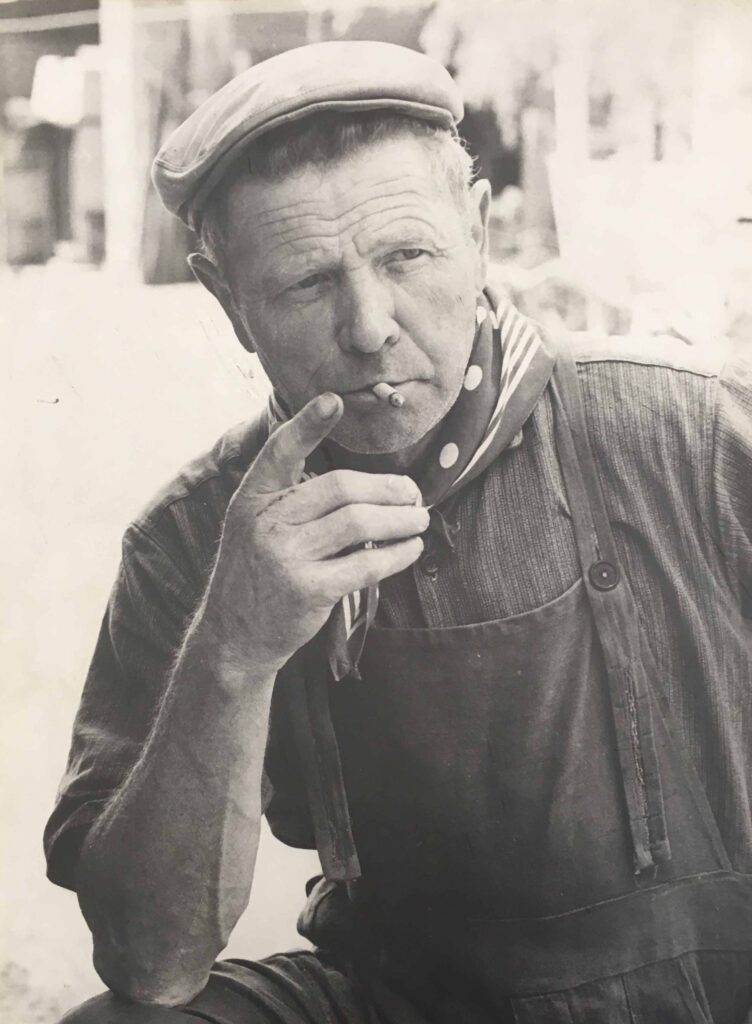
Maurits Van der Sypt from Kerkstraat was a pleasant guy, who immediately wanted us to have a pint, before we started talking about the other. The wife and daughter had also joined us and they wanted us to sit in the best room.
CHINESE
“My company is unique in its kind and in our country, because we do two different things. On the one hand, we supply intestines to the butchers and on the other hand, we prepare the ‘skins’ that are to be used for the salami. For this, we process all the intestines of pigs, which we buy domestically or which we obtain from abroad via an importer…”
“From where exactly?”
“Most of them come from America, but mainly from China. They arrive in barrels of 170 to 180 kg, completely salted and we then have to process and prepare them.
The China intrigued us of course and when we looked up somewhat in disbelief, the daughter was sent to the factory, where she had to get a packing card that was sealed in the barrels and that had to serve as a quality mark. We noticed a few lines of Chinese scribbles on one side; then on the other side an English text, in which Sheng Yung Keng, a state veterinarian from Shanghai, assured that these salted intestines came from healthy animals, both alive and after slaughter, had been subjected to a health examination. From this it could have been concluded that they were suitable for human consumption. The preparation and packaging had been done with the necessary care so that there was no danger to public hygiene.
The salt crystals were still hanging on the card and we are therefore convinced that this certificate will have a very long life.
SECRETS
The Van der Sypt family then has to process the goods further. They are desalted, dried, calibrated and shaped. Then one of the ends is sealed and the ‘bag’ from which the salami will grow is ready. They did not want to tell us exactly how this sealing is done. That seemed to be one of the little professional secrets. Maurits Van der Sypt expressed it differently:
“Anyone who explains his business to others proves that he is tired of it…”
How he came to run this rather exceptional business held no secrets. He first worked at a horse slaughterhouse in Lokeren, where he had feasted his eyes and then in a meat products factory in Antwerp. Afterwards he started on his own. An adventure that was apparently crowned with success. You could tell from the neat furnishings of his house.
(Source: Het Laatste Nieuws, April 1964)